
Originally published in The Tennessean, October 2026
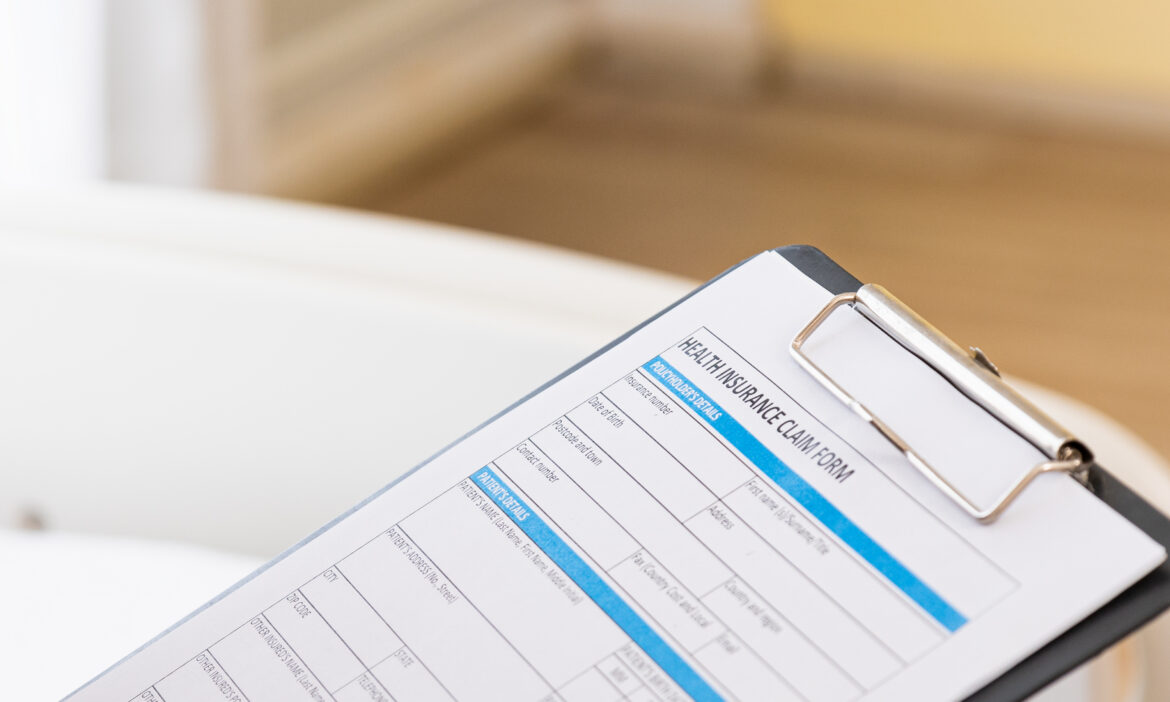
Think about the last time you visited your doctor’s office, an urgent care clinic or even the emergency room. Do you know how your bill was determined? It starts with the services you received and diagnoses made. Each one is assigned a code, which is then submitted to your health insurer (as a “claim” for the visit) to determine what the provider will get paid (based on their contract with the health insurer) and what you’ll pay based on your benefits.
At BlueCross BlueShield of Tennessee, we’re responsible for evaluating those claims and codes before making payments. We want providers to be paid fairly and accurately, while making sure employers and members aren’t paying more than they should. That’s more complicated than it sounds.
One member told me about getting an unexpected bill of about $100 after an annual wellness exam that was covered at no cost for years. During the visit, the provider asked about a condition managed by another doctor. An AI tool captured that doctor-patient conversation and included that additional information in the record of the visit.
The purpose of the member’s visit hadn’t changed, and the provider didn’t treat the other condition. There’s no reason to believe their provider intended to bill inaccurately. But the new information changed the code on the claim, which led to a higher cost for the member.
How coding levels work
The American Medical Association created the codes we all use, which often include varying levels of complexity for different services. For many office and ER visits, level 3 generally represents an average visit. Levels 4 and 5 reflect more complex visits, involving factors such as multiple potential diagnoses, spending more time with the patient, or ordering and interpreting tests.
Higher levels cost more, and that’s reasonable when the care is actually more complex.
Based on Medicare reimbursement rates, the average difference between levels 3 and 4 is about $28, while the difference between levels 4 and 5 is about $56. The amounts under commercial plans can vary, and if you haven’t met your deductible, you may pay that difference yourself.
These small differences can add up across thousands of claims. For example, one Tennessee provider group submitted about the same number of office visit claims each year, but we noticed more and more being coded at high complexity levels. The pattern may be unintentional, but it still added $23 million in costs for the businesses and families we serve.
How we review claims
BlueCross is more carefully reviewing claims codes for office and ER providers who file at least 50 claims a year and bill more than half of them at the two highest levels. That share of high-complexity cases is unusual compared with most providers in our networks, and it doesn’t match what I’ve seen in my own experience as an ER physician.
These reviews don’t mean every claim will change.
BlueCross doesn’t use AI to deny claims or reduce coding levels. Technology helps us identify patterns, but only a clinician reviews whether the diagnosis and expected complexity support the submitted codes on a claim. If they do, the code stays. If they don’t, the code may be reduced by one level, and the provider is still paid. When a code is adjusted, the member’s cost share reflects the adjusted level.
We’re also making this process more transparent by notifying providers when they’re identified for these reviews.
And, we’re working to make adjusted claims easier for providers to identify. They can appeal an adjustment by submitting medical records supporting the original code. We also regularly evaluate our data on billing patterns to remove or add providers from our coding review process.
What you can do
Review your Explanation of Benefits and compare the listed services with what you remember. Before discussing another concern during a wellness visit, ask whether it may be billed separately and what you may owe. If something does not look right, contact your provider’s billing office or call the number on your member ID card.
You should be able to trust that your bill reflects your care.
Asking questions can help, but you shouldn’t have to identify every coding issue yourself. We’re here to review unusual billing patterns and help ensure you pay for the care you received.
 J.B. Sobel, MD, MPH, MBA, oversees quality and affordability initiatives, aiming to balance cost management with high-quality patient care.